ART & ENVIRONMENT
Art, environment, and the way we feel are connected.
Philosophy
I think a lot about what happens when art and environment meet.
As an artist and nurse practitioner with a background in neurology, I naturally see these things from two perspectives. I think about how a painting looks and feels within a room, but I also think about attention, perception, sensory experience, and the ways our surroundings can influence how we feel.
We spend so much of our lives in designed spaces. Our homes, workplaces, healthcare environments, hotels, restaurants, and public spaces all ask something of our attention.
Sometimes we don't notice it.
But our surroundings are constantly giving us information—color, pattern, movement, texture, light, sound, and objects competing for our attention.
I am interested in what happens when we become more intentional about that information.
Making Space for Attention
One of the ideas that has influenced the way I make art is soft fascination.
It describes the experience of having our attention gently held by something without requiring intense concentration. Nature does this beautifully. We can watch clouds move, notice light through trees, follow the movement of water, or become absorbed in the repetition of leaves and branches without having to accomplish anything.
Our attention gets somewhere to go, but it doesn't have to work very hard.
This idea influences the kinds of things I notice and the way I paint them.
I am drawn to repetition, subtle variation, restrained color, movement, softness, and negative space. I want there to be enough to discover without creating visual noise.
The intention isn't to make a painting that demands your attention.
It's to make something you can return to.
Art Doesn't Exist Alone
I don't think of a painting as separate from the room around it.
Its scale, color, frame, placement, and relationship to light and surrounding objects all affect how it is experienced.
A painting can bring movement into a quiet room. It can soften architecture. It can create rhythm between other objects. It can give the eye a place to settle.
And sometimes, the most important thing is what surrounds the painting—the space that allows it to breathe.
This is why I care about how my work is displayed as much as how it is made.
I am drawn to interiors that feel collected, layered, and personal. I don't think a restorative space has to be empty or minimal. It can have color, texture, history, pattern, and personality.
The goal isn't less.
The goal is intentionality.
Where Art Meets Science
My interest in neuroaesthetics and creative health comes from a larger curiosity about how creativity and our surroundings intersect with human experience.
Science can help us understand aspects of attention, perception, emotion, and sensory processing. Art gives us another way of experiencing those things.
I don't think science can tell us exactly which painting someone should like, or that a particular color will make everyone feel a certain way. Human experience is much more personal and complicated than that.
But I do think what surrounds us matters.
The environments we spend time in can influence what we notice, where our attention goes, and how a space feels to inhabit.
That makes the design of those environments worth thinking about.
Creating Restorative Environments
When I use the word restorative, I don't mean that a space needs to look a certain way.
It doesn't have to be beige.
It doesn't have to be minimalist.
It doesn't have to be silent or perfectly organized.
A restorative space can be layered, colorful, collected, and full of personality.
For me, restoration is more about creating moments where the mind isn't constantly being asked to process something new.
There can be places for the eye to rest.
There can be rhythm and repetition.
There can be natural references and familiar forms.
There can be quiet alongside visual interest.
There can be room to simply notice.
A Different Perspective
My work sits at an intersection that is unusual to me: I am both an artist and a healthcare professional.
I don't separate those parts of my life when I think about art.
My clinical background has made me curious about the human experience of space, attention, and perception. Being an artist has given me a way to explore those ideas visually.
I am interested in bringing those perspectives into conversations with designers, architects, healthcare professionals, and others who create spaces for people.
Not to prescribe what a space should look like, but to ask different questions about how it might be experienced.
How can a space hold our attention without overwhelming it?
How can art contribute to the feeling of a room rather than simply occupy a wall?
How can beauty, creativity, and intentional design become part of the environments in which we live, work, heal, and rest?
Those are questions I am continuing to explore through my work.
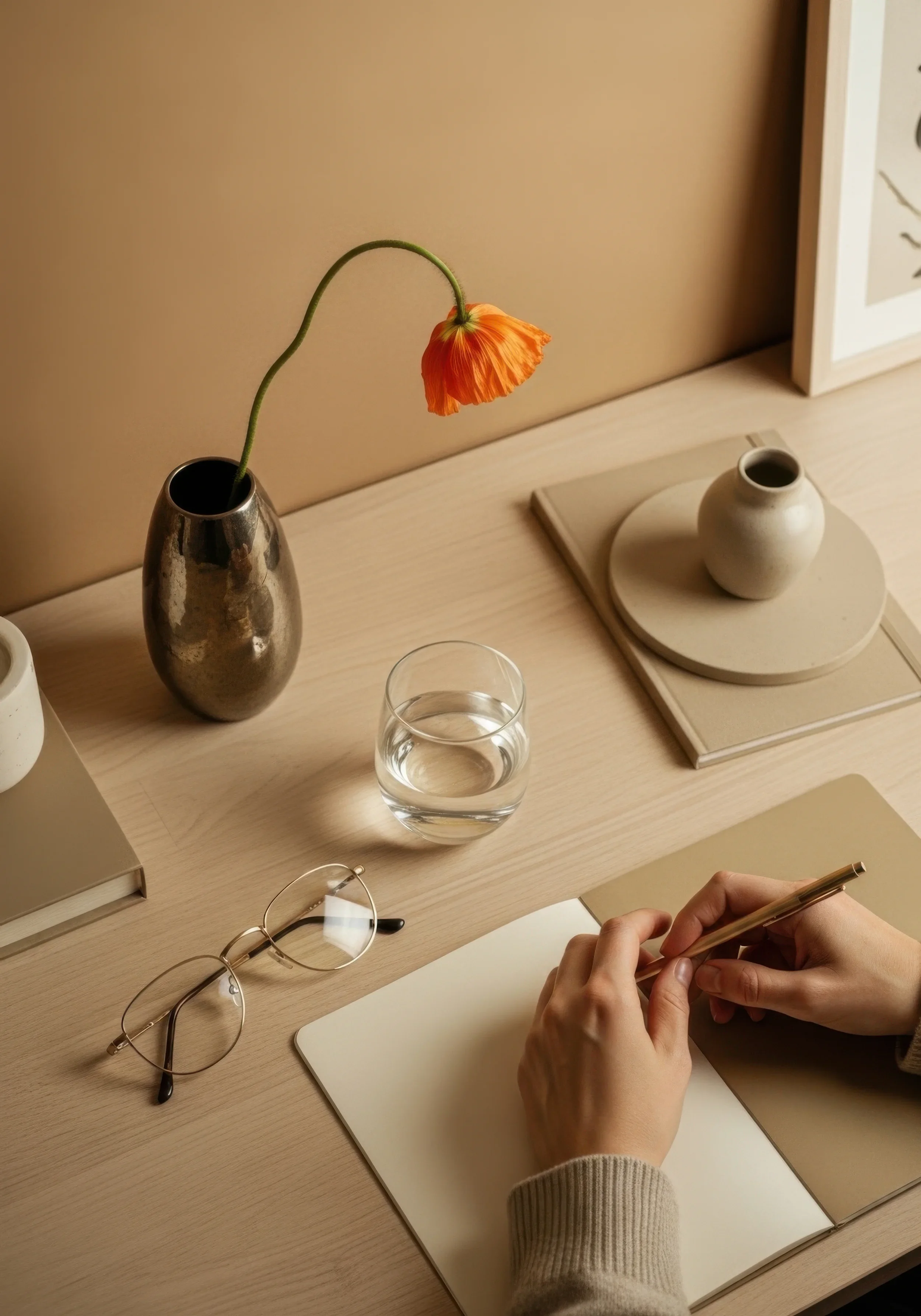
Our process is simple and thoughtful.
Explore our range of services designed to help you move forward with confidence, wherever you're headed next.
In-person and remote options
Our office is conveniently located in Manhattan. A place to gather, grow, and reconnect.
Our Services
Explore our range of services designed to help you move forward with confidence, wherever you're headed next.
Meet the Team
-
![]()
Monet Goode
FOUNDER
With a vision for building something meaningful, our founder brings a blend of big-picture thinking and hands-on experience.
They set the tone for everything we do. -
![]()
Emmett Marsh
SALES MANAGER
Focused, approachable, and driven by results, our sales manager is all about building strong relationships. They help connect people to the right solutions—with clarity and care. -
![]()
Eleanor Parks
MARKETING DIRECTOR
Creative and strategic in equal measure, our marketing director brings fresh ideas to every campaign. They turn insights into action and help our message resonate with the right audience. -
![]()
Karl Holland
CUSTOMER SERVICE MANAGER
Friendly, attentive, and always ready to help, our customer service manager ensures every interaction is a positive one. They keep communication clear, timely, and human.